Author Archives: usjapanesegardens

Unknown's avatar

About usjapanesegardens

Enthusiastic supporter of Japanese gardens; founding member of the North American Japanese Garden Association; founding member Friends of Lili`uokalani Gardens; loves travel and photography

2013 in review

The WordPress.com stats helper monkeys prepared a 2013 annual report for this blog.

Here’s an excerpt:

The concert hall at the Sydney Opera House holds 2,700 people. This blog was viewed about 17,000 times in 2013. If it were a concert at Sydney Opera House, it would take about 6 sold-out performances for that many people to see it.

Click here to see the complete report.

The above was prepared by Word Press, a host to which I express deep gratitude. They post quickly, protect me from spam, and provide an invaluable service.

For 2014, I pledge to do as this report suggests — WRITE MORE!

Happy New Year!

Categories: annual report | Tags: | Leave a comment

Where do I find…..

The right tool makes any job easier. Finding the right tool can be something of a pilgrimage.

We are fortunate in Hilo to have Garden Exchange close at hand for bamboo splitters, hand forged pruners, and properly balanced hedge shears.

For those seeking carpentry tools as well as garden supplies, sewing kits, and bonsai equipment there are several wonderful places we visited on the mainland.

Friends in Phoenix, Arizona tipped us to Anzen Hardware in Los Angeles.

Anzen Hardware

My husband’s father ran a hardware store in Texas. Anzen Hardware was a treat to visit.

Located on East First Street near the Japanese Village Plaza Mall, Anzen Hardware is full to the rafters with wonderful goods. Chefs seek this store out for its fine selection of quality knives. Sake makers come here for their supplies. There are bamboo brooms and gravel rakes for the gardener.

Fans call it an old fashioned hardware store for the handyman. Best of all is owner Nori Takitani who started as a high school part time worker in 1954. One of the elders of the community, he can be counted on for good service and advice.

My favorite purchase from this store (so far) were the vegetable seed packets along with good advice from Nori to put them in the refrigerator first “to wake them up” before planting.

Another seed source was the gift shop at the Japanese American National Museum a few blocks down the street. Kitazawa Seed packets and a well stocked bookcase were favorite attractions in the JANM store.

Contact the museum at: http://www.janm.org/

Or find Kitazawa Seed at: http://www.kitazawaseed.com/

To the north is Hida Tool on San Pablo Avenue in Berkeley.

Hida Tool

Bill waits for the doors to open early one morning.

Like Anzen, Hida Tool has crowded shelves, knowledgeable staff, and museum pieces on the wall. In addition to the store, Hida Tool has gone high tech with a web site.

http://www.hidatool.com/

As mentioned on their site, “Hida Tool was started in response to requests from San Francisco Bay Area woodworkers to get tools like those being used by Makoto Imai, who had come from Japan in 1978 after his 5-year apprenticeship in carpentry plus 9 years as a teahouse and temple builder. His were the hand tools of the builders of traditional homes and temples in Japan, including saws with both crosscut and rip teeth on the same blade, planes with wooden bodies quite different from those of European and early American wooden planes, and both plane blades and chisels forged by methods developed by the blacksmiths who created the famous samurai swords. These tools had a layer of very hard steel forged to a larger mass of softer iron, which allowed the formation in the tempering step of a harder cutting edge than was permissible in tools made entirely of similar carbon steel.

“The business was opened in San Rafel, California (north of the Golden Gate) in 1982 by Imai-san’s brother-in-law Osamu Hiroyama and Kip Mesirow, author of “Care and Use of Japanese Woodworking Tools” and former owner of a smaller Japanese tool store in Berkeley. Hida Tool Co. moved to our current location in Berkeley in the summer of 1984 with a greater variety of carpentry tools. Because of the interest in tools used for Japanese gardens, these became the second category of tools stocked. Kitchen knives, the third “specialty of the house,” also make use of the swordmakers’ technique of combining two different metals. A smaller number of other tools, etc., all imported from Japan, can be found on this website and in the store.
“Whether you enter through the front door, your computer email, or telephone, our staff at Hida Tool Co. will do our best to help you find the exact tool that you need within these specialties. However, still true to our origins, we carry no power tools, although we do stock a large assortment of drill bits for your hand or power drill.”
I purchased tools for fence building and knot tying plus exquisitely balanced hedge shears, camellia oil in a spray bottle, small sewing scissors, and handkerchiefs for fellow workers. All was shipped to me by the store and arrived in good order.

Wandering down the street from our hotel in San Francisco, we came upon Soko Hardware on Post Street. Another family-style hardware store carrying excellent culinary knives, garden supplies, woodworking tools, plus kitchen equipment, fine dishes, paper lanterns, and seeds among many other items.

Owned and operated by the Ashizawa family since 1925, Soko Hardware is now under the guidance of the third generation, Roy Ashizawa.

http://sfjapantown.org/soko-hardware/

A Yahoo reviewer noted of Soko Hardware: “The ceramics section holds a dizzying array of vases in aesthetic organic shapes, plates in all sizes and shapes, and platters suitable for a tea ceremony. Traditional finishes, such as oxblood and crackle glaze are the order of the day and the quality of everything is good whatever the price tag.”

Garden and museum gift shops are another source.

Heritage seeds from the time of Thomas Jefferson can be found in the gift shop at Monticello.

Monticello gift shop

“…there is not a sprig of grass that shoots uninteresting to me…” Thomas Jefferson said in a 1790 letter to his daughter.

Bamboo fabric gloves were a favorite purchase from the Chicago Botanic Garden gift shop.

gift shop at Chicago Botanic Garden

Chicago Botanic Garden gift shop in the Visitor Center
(photo by Bill F. Eger)

An annual sale of bulbs got my attention in Denver.

An annual sale of bulbs got my attention in Denver.

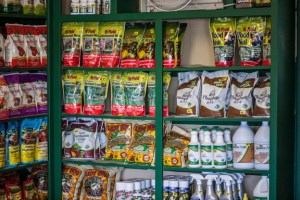
Organic products of all kinds, including seeds, were available at Weatherford Gardens just outside of Fort Worth, Texas.

http://www.weatherfordgardens.com/
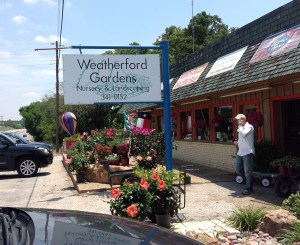
photo-025

a sampling of products carried in the store (photo by Bill F. Eger)

a sampling of products carried in the store
(photo by Bill F. Eger)

a small section of the seed shelves where I did my shopping (photo by Bill Eger)

a small section of the seed shelves where I did my shopping
(photo by Bill Eger)

Where do you go to find that special thing for your garden? Comments are welcome.

Be nice! All photographs appearing in this blog are the property of K.T. Cannon-Eger or Bill F. Eger. All the photography on this blog is protected by U.S. Copyright Laws, and are not to be manipulated, downloaded or reproduced any way and may not be used in commercial or political materials, advertisements, emails, products, promotions without written permission. Copyright 2013 K.T. Cannon-Eger All Rights Reserved.

Categories: California, Fort Worth, Glencoe, Illinois, Texas, Virginia | Tags: , , | 1 Comment

What else has been in the garden?

coyote track

Tracks of wildlife are not uncommon at Sansho-en, the Elizabeth Hubert Malott Japanese Garden at Chicago Botanic Gardens in Glencoe, IL. This coyote track was found one morning near the shoin house.

What’s in your garden when you aren’t looking? Gardeners have to deal with more than the occasional insect infestation or small children climbing on stones.

Perhaps the coyote at Sansho-en was hunting something like the rabbits I noticed all over the lawn at Marston House in San Diego.

Late one afternoon, rabbits covered the lawns at Marsden House in San Diego at the upper end of Balboa Park.

Late one afternoon, rabbits covered the lawns at Marston House in San Diego at the upper end of Balboa Park.

Birds seem to cause the most difficulty for gardens with ponds, especially birds that eat koi like a heron at Fort Worth and another at San Antonio’s Sunken Gardens at Brackenridge Park.

photo by Bill F. Eger

Focused, this fast beak scooped up several small fish from the pond at Sunken Garden in San Antonio.

goose

A wary goose halted momentarily at the end of the path near the plum viewing arbor at Missouri Botanical Garden. Geese leave behind copious amounts of waste making paths into minefields.

mallards

Ducks join koi in the pond at Ro Ho En in Phoenix, competing for food.

But of all the critters we came across, furry or feathered or two-legged, the smallest seemed to cause the most problems. My husband was unfamiliar with squirrels and chipmunks and was taking a lot of photographs. Horticulturist Benjamin Carroll at Sansho-en noticed this and commented that Bill “wouldn’t find them so cute when you see the damage they do.”

This bold fellow owned the path at the Anderson Japanese Garden in Rockford IL.

This bold fellow owned the path at the Anderson Japanese Garden in Rockford IL.

NYC squirrel

Waterfront squirrel in between Battery Park and the wharves in New York City

Photos in this blog otherwise uncredited are by K.T. Cannon-Eger.

Categories: Arizona, Glencoe, Illinois, Missouri, Rockford, San Antonio, St. Louis, Texas | Tags: , | Leave a comment

a taste of what’s to come

Still writing when I should be packing … we’re off on another adventure to visit gardens, this time on the east coast.

entryway to Kyoto Gardens at the Hilton DoubleTree in Los Angeles

entryway to Kyoto Gardens at the Hilton DoubleTree in Los Angeles

But I am three states and several gardens behind in posting where we have been!

So here is a little preview of what is yet to be posted. Now to that packing!

Elaine shows the donated gate at the UC-Berkeley pathway to the Japanese pond.

Elaine shows the donated gate at the UC-Berkeley pathway to the Japanese pond.

photo by Bill F. Eger

Lake Merritt in Oakland, CA
photo by Bill F. Eger

the entry to a private residential garden in Orinda, California photo by Bill F. Eger

the entry to a private residential garden in Orinda, California
photo by Bill F. Eger

The Japanese Tea Garden in San Francisco's Golden Gate Park dates back to 1894. photo by Bill F. Eger

The Japanese Tea Garden in San Francisco’s Golden Gate Park dates back to 1894.
photo by Bill F. Eger

The Japanese Friendship Garden at San Diego's Balboa Park is completing expansion work to be ready for the park's centennial in 2015. photo by Bill F. Eger

The Japanese Friendship Garden at San Diego’s Balboa Park is completing expansion work to be ready for the park’s centennial in 2015.
photo by Bill F. Eger

Any photographs not otherwise credited are by K.T. Cannon-Eger. If you borrow, be nice and give credit.

Comments are welcome on this and other posts in this blog.

Categories: Berkeley, California, Los Angeles, Oakland, San Francisco | Leave a comment

Successful Festival a MUST for family calendars

The Queen Lili`uokalani Festival — held annually on the occasion of her birthday — is a MUST for any family’s fun calendar. If you missed it this year (Saturday, September 7) be sure to watch for it next year.

There is hula, entertainment, craft booths, demonstrations, children’s games, and good food just to name a few of the activities available in Lili`uokalani Gardens on Waiakea Peninsula in Hilo free all day long.

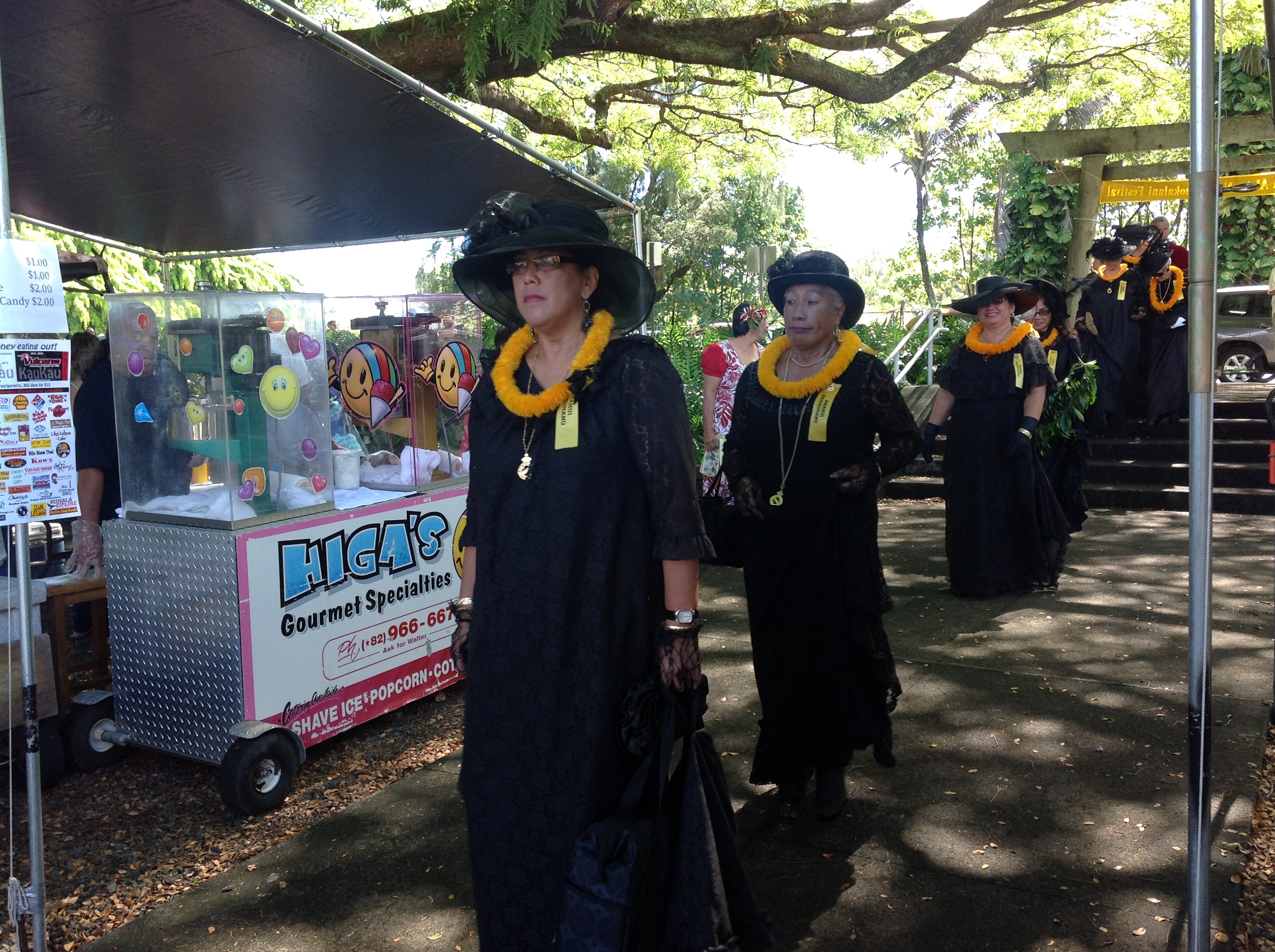
The Royal Order, Ka`ahumanu Society, Hale O Na Ali`i and other dignitaries begin the ceremonies.

The Royal Order, Ka`ahumanu Society, Hale O Na Ali`i and other dignitaries begin the ceremonies.

flower drop during the mass hula courtesy of the Hawaii Tropical Flower Council and Blue Hawaiian Helicopters

flower drop during the mass hula courtesy of the Hawaii Tropical Flower Council and Blue Hawaiian Helicopters

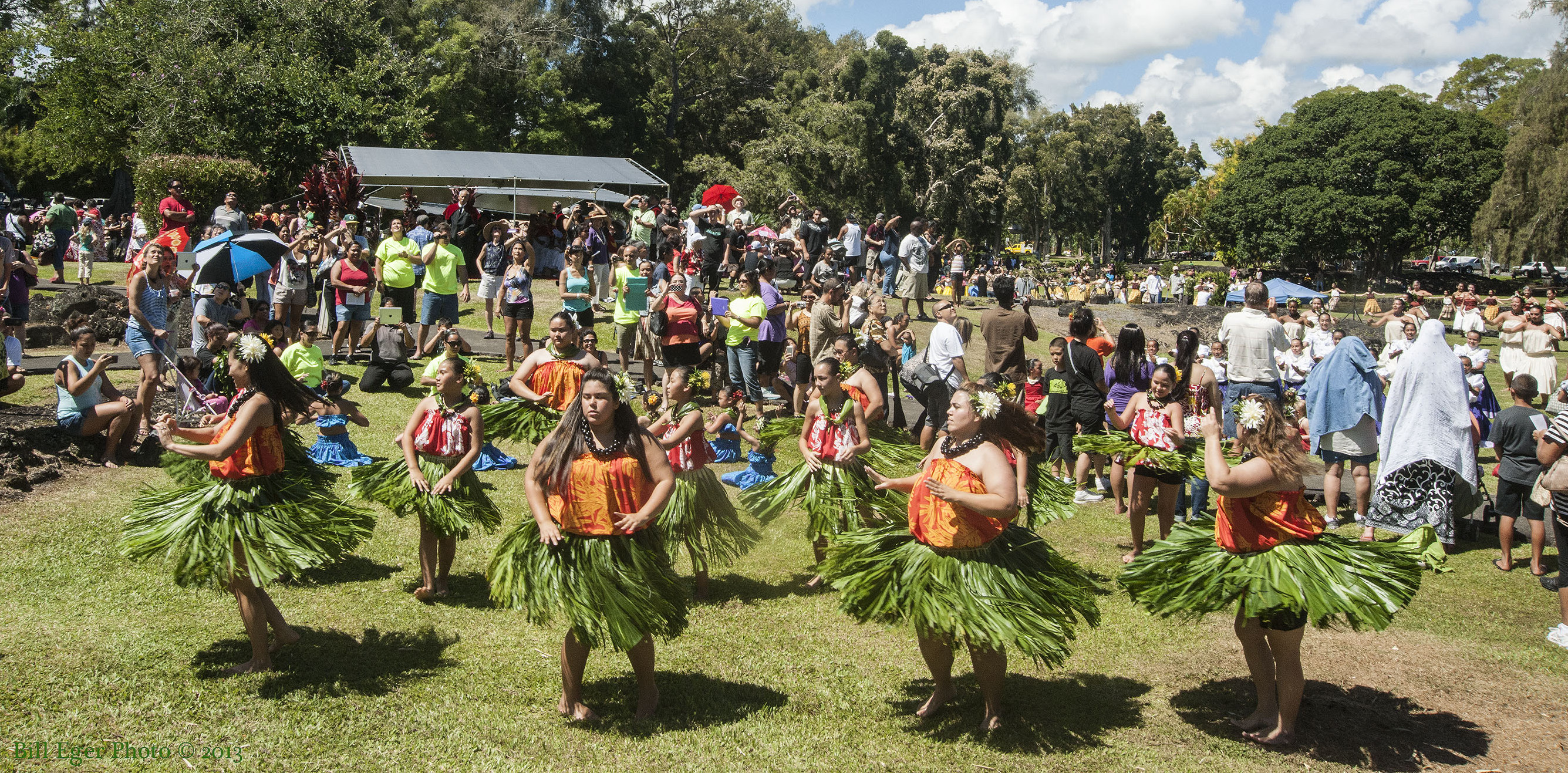
Bill F. Eger photo -- mass hula at He Hali`a Aloha O Lili`uokalani

More than 400 hula dancers from several halau begin the day-long festivities with E Lili`u E and The Hilo Hula.
Bill F. Eger photo

Bill F. Eger photo

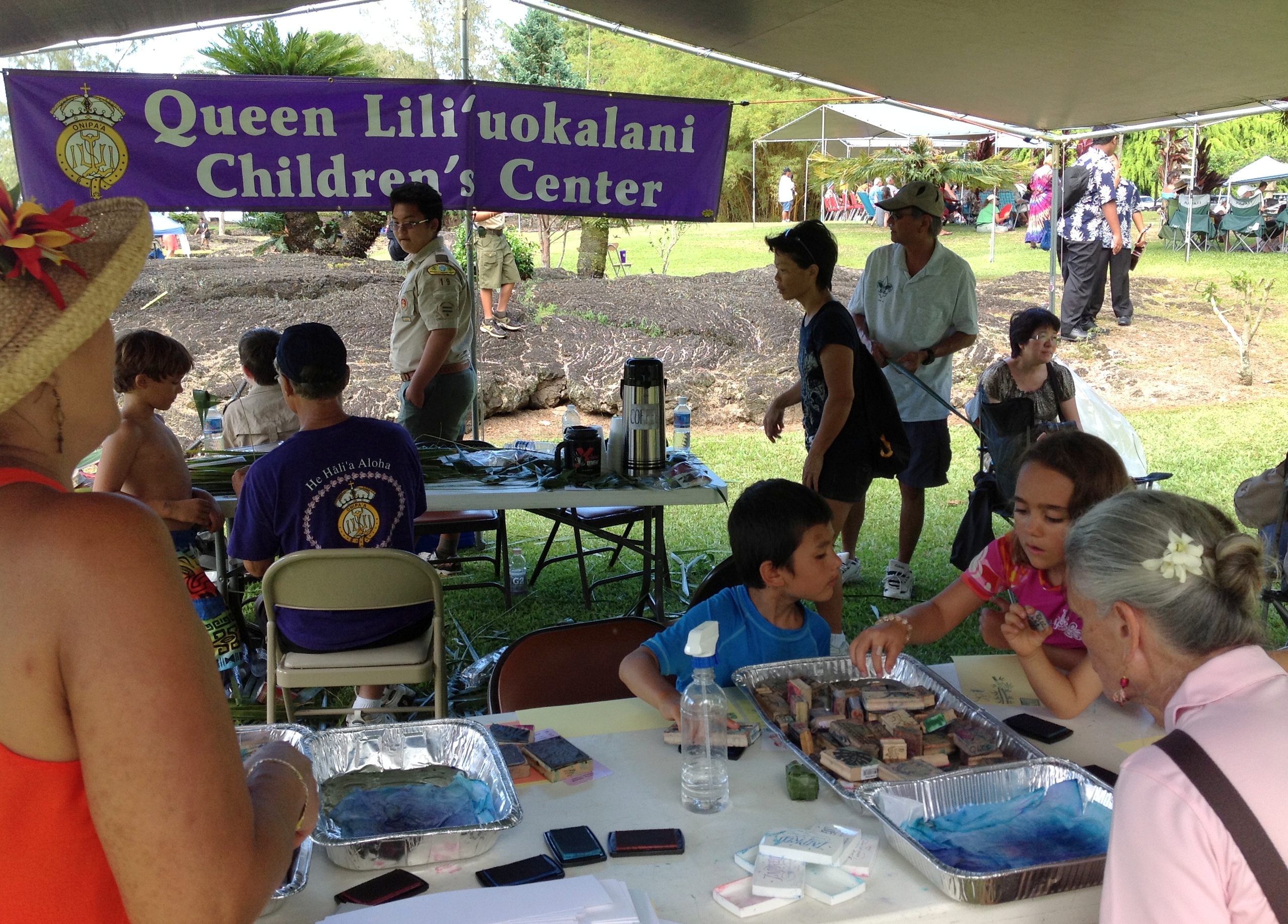
lots of activity in the Queen Lili`uokalani Children’s Center tent

Bill F. Eger photo

The big band stylings of Kahulanui closed the entertainment portion of the day around 4 p.m.
Bill F. Eger photo

The event is pulled together with a LOT of volunteer effort and the staunch support of The County of Hawaii Department of Parks and Recreation Division of Culture and Education and the Queen Lili`uokalani Children’s Center.

Land for the gardens was set aside in April of 1917 in honor of Hawaii’s most recent Queen. She passed away in November of that same year at the age of 79. Construction on the garden began before the end of the year.

Royal interest in Japanese garden design dates back to the era of King David Kalakaua. There were Japanese gardens in Honolulu on royal properties by 1885. Hilo’s unique and substantial 20-acre Japanese garden was inspired by a 1914 visit to Japan by people active in economic development and beautification of the area. Japanese gardens were a popular design in the Victorian era.

Photographs in this blog otherwise not credited to other photographers are by K.T. Cannon-Eger. If you borrow, be nice and give credit.

Comments on this and other posts in this blog are welcome.

Categories: Hawaii, Hilo | Tags: , | 2 Comments

Festival in Hilo celebrates Queen Lili`uokalani’s 175th birthday

The annual Queen Lili`uokalani Festival — He Hali`a Aloha no Lili`uokalani — will be held in Lili`uokalani Gardens Saturday, September 7, from 10 a.m. to 4 p.m.

Festival Poster 2013

Queen Lili`uokalani was born on September 2, 1838, installed as Queen Monarch on January 29, 1891, and entered into eternal sleep on November 11, 1917.

“The daylong festival includes music, hula, arts, crafts, food, demonstrations, children’s games and cultural activities,” according to Roxcie L. Waltjen, Culture Education Administrator for the County of Hawaii Department of Parks and Recreation.

Sponsored by the County of Hawai`i, Queen Lili`uokalani Children’s Center, and Hawai`i Tropical Flower Council, the free festival also will feature local entertainment, taiko and Urasenke tea ceremony.

“Entertainment throughout the day will include Darlene Ahuna, Kukulu Kumuhana O Puna, Taishoji Taiko, Komakakino, Ulu’au, Waiakea Ukulele Band, Mark Yamanaka and Kahulanui.”

“A bountiful variety of local foods such as Hawaiian plate, Portuguese bean soup, kalua pig with cabbage, hot dogs, bread pudding, smoked meat bentos, chili, saimin, fried poi balls, Spam musubi, smoothies, shave ice, cotton candy, malasadas, popcorn , baked goods along with other delicious, mouth watering specialties  will be included on the day’s menu,” said Waltjen.

“Hula is the major focus of the Festival and each year,” Waltjen said. “Festivities are kicked off with a mass hula featuring more than 400 hula dancers scattered throughout the Park performing “E Lili’u E” and the Aloha Week Hula.  Dancers from throughout the State and Japan dance together symbolizing the Queen’s vision to share the Hawaiian culture with the rest of the world.  During this performance, more than 50,000 orchid blossoms rain from the skies above the park.

Mass hula will involve the following halau: Na Po`e A`o Hiwa, Halau Na Pua Uluhaimalama, Kamehameha Schools Performing Arts — Elementary, Hula Halau O Hilo Hanakahi, Hula Halau O Kahikilaulani, Ka Hula O Nawahine Nohopuukapu, Kamehameha Schools Performing Arts — High School, Ke Ola Pono No Na Kupuna, Halau Ha`akea O Akala, Halau Hula O Kawananakoa, Hula Halau Lei Hiwahiwa O Kuu Aloha, and Halao O Kawaila`ahia.

Parking is at a premium in the Banyan Drive area. Additional parking and shuttle service is available at the Ahfook-Chinen Civic Auditorium a short distance away.

In addition to the County of Hawaii, Queen Lili’uokalani Children’s Center, and the Hawaii Tropical Flowers Council, other partners in the event include Pacific Radio Group, Hilo Fire Extinguishers, and Blue Hawaiian Helicopters.

“The Culture & Education Division of Hawaii County invites all to come and celebrate the birthday of our last reigning monarch,” Waltjen said. “Come experience the culture, pageantry, history, demonstrations, hands-on activities and the unique blending of our Island people. We promise fun for the whole family!”

For more information, contact the Hawai`i County Culture and Education Office at 961-8706.

Friends of Lili`uokalani Gardens will be on hand to begin a survey of park users assisted by the East Hawaii Island Master Gardeners Association.

Categories: Hawaii, Hilo | Tags: , , , | 2 Comments

Pond Construction Workshop in Philadelphia

Shofuso koi

koi so happy they are snorting for joy — well, snorting for food, anyway!

ShofusoPond2

During pond reconstruction last year, stones designed to be a boat landing were discovered. The original plans for the garden — made in the mid-1950s — were carried out in the renovation and now provide a koi feeding station at Shofuso Japanese House and Garden.

[The first part of this post announced the workshop. See the end of the post for more photos of the garden and workshop.]

The North American Japanese Garden Association will present a two-day regional workshop in Philadelphia, PA, Friday and Saturday September 20 and 21.

The first day will begin with a presentation on the history and significance of water in the Japanese garden setting by Seiko Goto, PhD, Assistant Professor in the Department of Landscape Architecture at Rutgers University. Professor Goto holds a Master in Horticulture from Chiba University Japan as well as a Master in Landscape Architecture from Harvard.

The rest of the day will be spent on designing and constructing water features for a Japanese style garden. Presenter is Jim Lampi, a design-build landscaper specializing in the creation of ponds, waterfalls and naturalist landscapes.

Topics to be covered include: design considerations plus influences and inspirations for design. Also covered will be construction methods; comparing concrete, liner, hybrid concrete with liner; filtration; drainage; rock edging and plant edging; rocks and boulders: selection, acquisition, and placement using machine or sling.

Friday evening will offer guided tours of Shofuso Japanese House and Garden, refreshments and a presentation by Dr. Frank Chance, director of the Center for East Asian Studies at University of Pennsylvania.

Saturday’s events concentrate on koi: their origins, variety, and selection plus discussions of water conditions and creating a healthy environment. Also covered will be koi anatomy, reproduction, health and how to recognize illness, methods of treatment, feeding and seasonal considerations.

Joseph S. Zuritsky, owner of Quality Koi at Carney’s Point, NJ, with 40 years experience and numerous awards, will lead a tour of Nisei Koi Farm and deliver presentations on the above topics.

To make reservations, contact NAJGA by e-mail to KYanagi@NAJGA.ORG or telephone (503) 222-1194. You may also click on the link below to print out a registration form for for information, fees, hotel registration and mailing information.

Click to access Philadelphia%20Workshop%20Information%20and%20Registration%20Form%20%281%29.pdf

If you wish to learn more about Shofuso Japanese House and Garden, visit their web site:

http://www.shofuso.com/

or find them on FaceBook.

new hornbeam hedge

A new hornbeam hedge separates the entry paths at Shofuso and guides visitors to the tour booth.

Francis Weng discusses pond biology and maintenance. (photo by Bill F. Eger)

Francis Weng discusses pond biology and maintenance.
(photo by Bill F. Eger)

JimLampl-2-Shofuso

Jim Lampl

Jim Lampl discusses pond construction.
(photo by Bill Eger)

Jizo

Tucked away in the bamboo just uphill from a koi feeding station at the pond

Dr. Goto

Dr. Seiko Goto discusses the history of water in Japanese gardens at the NAJGA regional conference in Philadelphia.
(photo by Bill Eger)

class photo

The class photo of garden folk who attended the NAJGA regional conference in Philadelphia.
(photo by Bill Eger)

Categories: Pennsylvania, Philadelphia | Tags: , , , , | Leave a comment

Carpentry workshop in August in California

http://hosted.verticalresponse.com/1212645/9000fefe1e/546429619/3550f8d2c0/

The North American Japanese Garden Association will present Japanese Woodworking Skills using Traditional Hand Tools in Oakland, California, August 13-16.

Lectures, 20 hours of shop time and tours are all part of this intense session.

For more information and to register see the flyer above or go to www.najga.org/events

 Due to shop space limitations, registration for the Japanese Woodworking Using Traditional Hand Tools is limited.  Registrations will be processed on a First Come, First Served basis.  NAJGA reserves the right to close registration once the limited number of spots are filled. 
For questions or more information, 
call 503-222-1194 or email info@najga.org
A visit to Hida Tool is part of a tour during this conference…a place of wonder and quality.
Here is a link to their store if you wish a virtual visit!
Hida Tool
 inside Hida Tool 2inside Hida Tool
Categories: California, Oakland | Tags: , , | Leave a comment

Enthusiastic Denver garden curator tours Hilo’s Lili`uokalani Gardens

On Saturday, May 18, the board of directors of Friends of Lili`uokalani Gardens welcomed Ebi Kondo, curator of Sho-Fu-En the Japanese garden at Denver Botanic Gardens and a board member of the North American Japanese Garden Association (NAJGA), to Hilo’s bayfront park along with several Hilo community leaders with long-time ties to the garden.

Ebi Kondo, curator of Sho-Fu-En at the Denver Botanic Gardens
(photo by Bill F. Eger)

Kondo was enthusiastic about Lili`uokalani Gardens. “This is an old-style pleasure garden,” he said. “You have so much history here. This is a great event  to be shared with all who visit.

“There is such a good feeling to this garden, both casual and elegant. I see a welcome, peaceful, casual, approachable, carefree environment. This is a great combination of American-Japanese garden with Hilo Hawaii flavor.”

Ebi Kondo of Sho-Fu-En Japanese Garden in Denver Colorado explains the benefits of membership in a public garden organization. Nearby are Friends of Lili`uokalani members Harvey Tajiri and K.T. Cannon-Eger.

Ebi Kondo of Sho-Fu-En Japanese Garden in Denver Colorado explains the benefits of membership in NAJGA a non-profit public garden organization. Nearby are Friends of Lili`uokalani members Harvey Tajiri and K.T. Cannon-Eger.
(photo by Bill F. Eger)

Kondo worked on the revitalization of the Japanese garden in Denver. “It takes everybody working together,” he said.

Sho-Fu-En now features a new roji (dewy garden path) to the tea house as well as a separate ADA compliant path. The tea house in Denver is like the one in Hilo in one respect: there are two areas for practitioners and participants — one more traditional with tatami floor and one Western with folding chairs.

Della Allison Yamashiro of Friends of Lili`uokalani Gardens, listens to Hiroshi Suga, president of the Japanese Community Association of Hawaii, speak of cooperation to promote and preserve Japanese culture and foster harmony and fellowship in Hawaii County.

Della Allison Yamashiro of Friends of Lili`uokalani Gardens, listens to Hiroshi Suga, president of the Japanese Community Association of Hawaii, speak of cooperation to promote and preserve Japanese culture, and foster harmony and fellowship in Hawaii County.
(photo by Bill F. Eger)

Russ Oda speaks of Shoroan and the history of Urasenke in Hawaii.

Russ Oda speaks of Shoroan and the history of Urasenke in Hawaii.
(photo by Bill F. Eger)

Kondo also was enthusiastic about the role of public gardens in communities. “To me, garden is a place to make memories. Happy people come here and are more happy. Sad people who come here are lifted.”

The casual tour wandered over to shade by the bamboo grove..

The casual tour wandered over to shade by the bamboo grove.
(photo by Bill F. Eger)

Dwayne Mukai, president of Kumamoto Kenjin Kai, and Rev. Jeffrey Soga, Rimban for Hawaii Island's Hongwanji join in the conversation. (photo by Bill F. Eger)

Dwayne Mukai, president of Kumamoto Kenjin Kai, and Rev. Jeffrey Soga, Rimban for Hawaii Island’s Hongwanji join in the conversation.
(photo by Bill F. Eger)

KT&Ebi-Basin-5577

K.T. Cannon-Eger, Ebi Kondo and Philippe Nault ponder an ancient stone basin.
(photo by Bill F. Eger)

Sho-Fu-En at Denver Botanic Gardens is one of the leadership gardens in the formation of the North American Japanese Garden Association (NAJGA). Kondo took time to emphasize to the group the importance of sharing information. “There will come a time when you have a question and you need to find resources. That is the reason we have this association of public gardens…to be of help to each other with workshops on horticulture, stonescaping, pond building, fund raising, message presentation and all of the things you will face.”

NAJGA offers two regional conferences later this year. Woodworking skills and traditional hand tools will be held August 13-16 in Oakland, California with site visits to several gardens in the area. Constructing Japanese water features and selection and care of koi will be held September 20-21 at Shofuso in Philadelphia, Pennsylvania.

Registration is open now for the woodworking conference in Oakland. More details on the regional conference in Pennsylvania will be available in July. Go to the NAJGA web site for further information. http://www.najga.org

For additional stories in this blog on Denver or NAJGA, check the category and tag lists to the right side of the screen.

CCF05262013_0000

Categories: California, Colorado, Denver, Hawaii, Hilo, Oakland, Pennsylvania, Philadelphia | Tags: , , , | 2 Comments

First NAJGA Journal published

The first issue of the Journal of the North American Japanese Garden Association

The first issue of the Journal of the North American Japanese Garden Association features a view of the tea deck at Sho-Fu-En in Denver Botanic Gardens.
photo by Bill F. Eger

The first issue of The Journal of the North American Japanese Garden Association arrived in our mailbox the other day and it’s gorgeous! Within heavy cover stock are more than 60 pages of well written, beautifully illustrated articles.

Topics in this inaugural edition include an extensive article by Robert Karr on The Garden of the Phoenix in Chicago — which article has been translated into Japanese. The story celebrates the 120-year history of the garden and looks toward the future with plans for mass plantings of cherry trees in the lagoon nearby.

It is followed by a detailed account of a garden now gone: Middlegate Japanese Gardens of Pass Christian, Mississippi by landscape architect Anne Legett.

As Journal editor Kendall Brown points out, “The former garden’s bright future and the latter’s forlorn state signal the fragility of gardens and the need for careful stewardship.”

Six regional gardens — Birmingham, Alabama; Huntington Botanical Gardens in San Marino, California; Kumamoto-en in San Antonio, Texas; Sho-Fu-En in Denver, Colorado, the Earl Burns Miller Japanese Garden on the campus of California State University Long Beach and Portland Japanese Garden in Portland, Oregon — offer comparative and contrasting views on several questions surrounding the topic of master planning. NAJGA executive director Diana Lawroe analyzed results of questions, interviews and documents, pulling together a cogent and insightful article.

A Living Friendship of Flowers details horticultural challenges in observing the centennial of the Japan-U.S. Cherry Blossom Gift. Case studies include Chicago Botanic Garden, Fort Worth Botanic Garden, and Waimea Hawaii.

An article on interpretive education offers case studies on docent tours, ephemeral and permanent signs, and new technologies such as cell phone guides.

Jill Raggett, Ph.D., is a specialist in the emergence of Japanese style gardens in the British Isles, historic garden restoration, and biographies for the Japan Society. This distinguished speaker offers her view of the first conference of NAJGA — Connections — held October 2012 in Denver, Colorado.

Finally there is a book review of a reprint of the 1940 work by America’s first Japanese garden expert Loraine E. Kuck, well known to Hawaii garden folk for her books and garden designs here. Miyuki Katahita-Manabe, Ph.D., of Osaka notes in her review: “The reprinting in 2012 of Loraine Kuck’s The Art of Japanese Gardens, first published in 1940, provides an opportunity for reassessing this important book that introduced many English-language readers to the cultural history of Japanese gardens.”

The Journal is a benefit of NAJGA membership. It was made possible through the support of The Japan Foundation Center for Global Partnership. Japanese language translation service were provided by Matsuda, Funai, Eifert & Mitchell, Ltd.

NAJGA is a professional non-profit membership organization dedicated to the advancement and sustainability of Japanese gardens throughout the United States and Canada. Founded in 2011 with input from more than 200 Japanese garden professionals, NAJGA focuses on the Horticulture, Human Culture, and Business Culture of Japanese gardens through a variety of programs and services. NAJGA membership is open to everyone.

For more information, go to http://www.najga.org

CCF05262013_0000

Cover photo for The Journal by Bill F. Eger. Comments on this and other articles in this blog are welcome.

Categories: Alabama, California, Colorado, Hawaii, Illinois, Texas | Tags: , | 1 Comment

Blog at WordPress.com.